Building your pantry
By Sam Vangsness
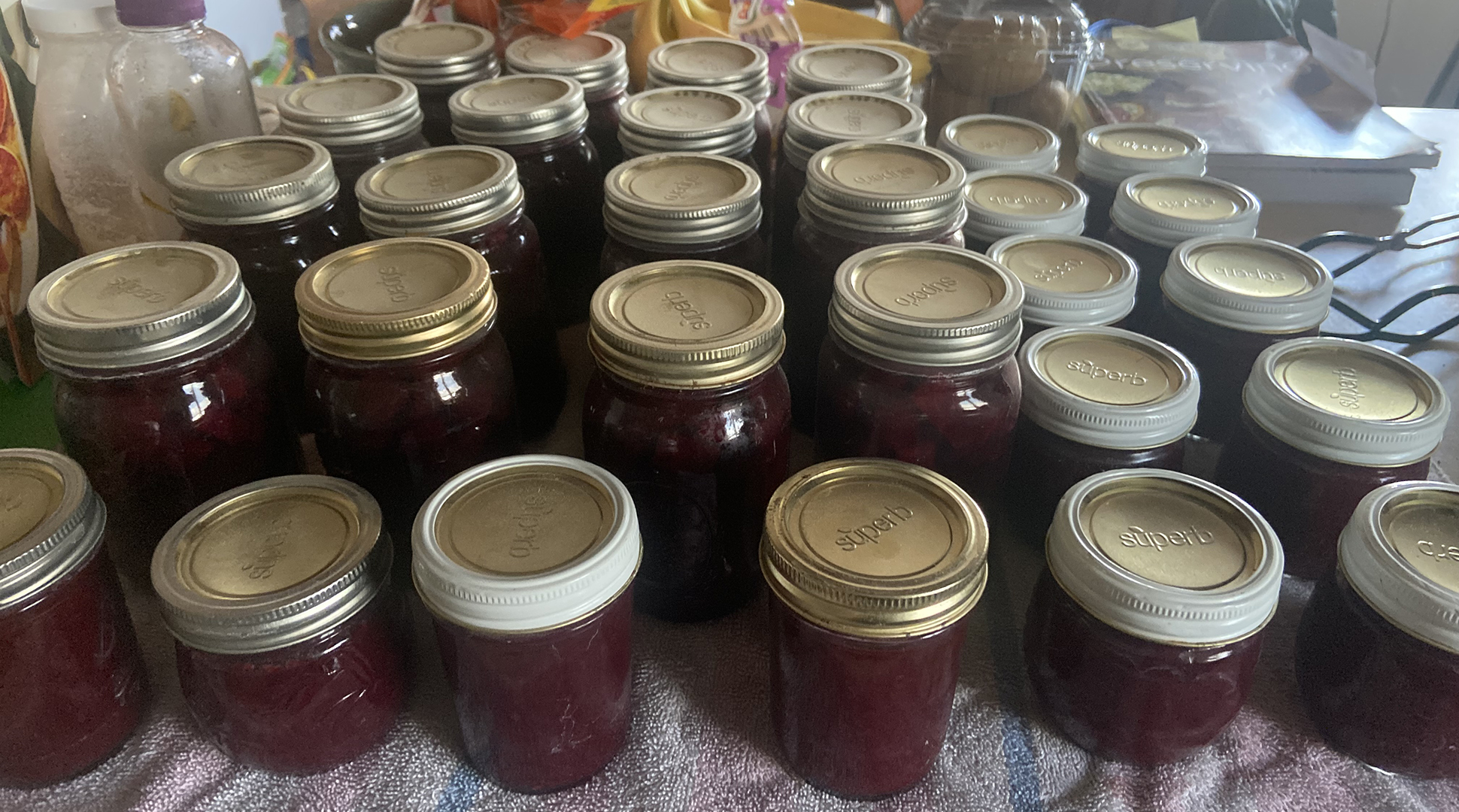
We moved onto our own property last fall, and things feel like they have been flying at 100 miles an hour with no end in sight. We have completed countless outside projects for our livestock, and the list only grows. However, I have had some time over the past few weeks to chip away at my indoor list. Part of that includes rebuilding my pantry stock with dry goods, preserved items, and anything that makes putting a meal together a little easier.
I am not starting from scratch. I have a small stock of preserved items and some dry goods on hand. For many, building up a pantry little by little is a great way to start. You can simply add extra items to your regular grocery trips to ensure you have food and ingredients at home.
 The first step is taking inventory of what you already have. Once you have your inventory list, make a list of what you want to keep in your pantry. This could be a list of items you and your family use on a weekly basis for meals or ingredients for baked goods. One thing about building your pantry is to fill it with food you will eat, not what is on sale or what you see others stocking their pantry with.
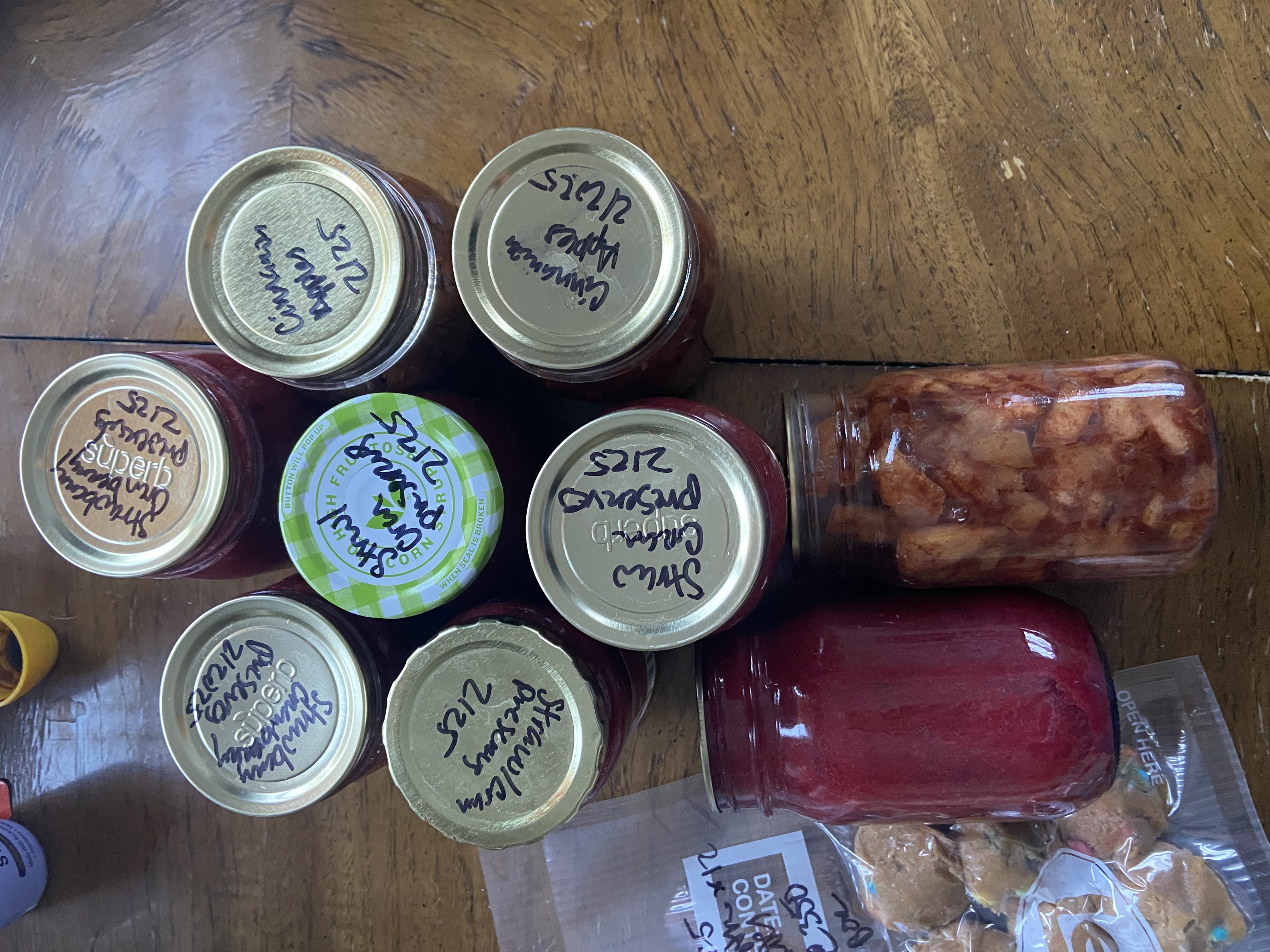
I see everyone dry storing or preserving beans, and you will not find beans (at least in bulk) in my pantry because I don’t love beans. My list looks more like rice, potatoes, preserved tomatoes, bone broth, jams, fruits and vegetables along with baking staples, herbs and spices.
Now that you have a list together, don't go buy it all at once. This is only going to feel overwhelming and cost more than you probably like to spend in a monthly grocery budget. My tip is to buy one or two items each month, or if something is on sale. If the olive oil you like is on sale, buy two instead of one, or buy dry goods in bulk if it's a better price.
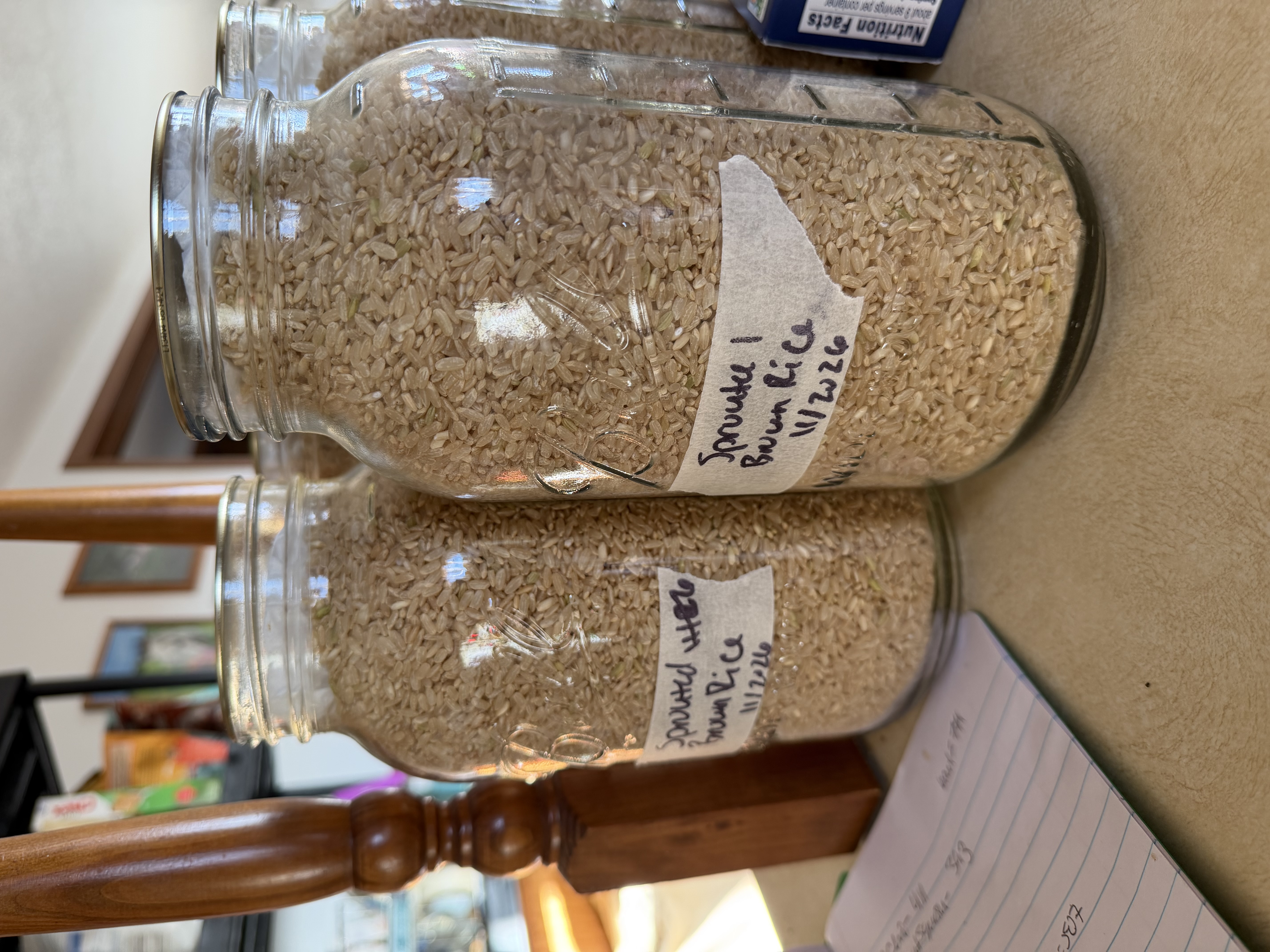
An important step to storing foods is knowing which storage method works best for each item. I use a variety of methods, including vacuum-sealing dry goods in mason jars, water-bath or pressure canning items, and cold storage. There are many trustworthy resources on the internet that can guide you through the safest and most effective ways to store different pantry items.
As you begin to fill your pantry, keep in mind how much space you have and use it wisely. Building a pantry is exciting, but try not to bite off more than you can chew. Taking consistent, small steps will eventually add up to a reliable system you can count on to get simple, flexible meals on the table.
Sam lives  in rural Morton County with her husband. She enjoys being outside working alongside her husband, but equally enjoys being in the kitchen cooking nutritious, delicious, simple meals, and sharing tips, tricks, and recipes along the way.
Recent posts you may have missed: