Chickpeas on your table
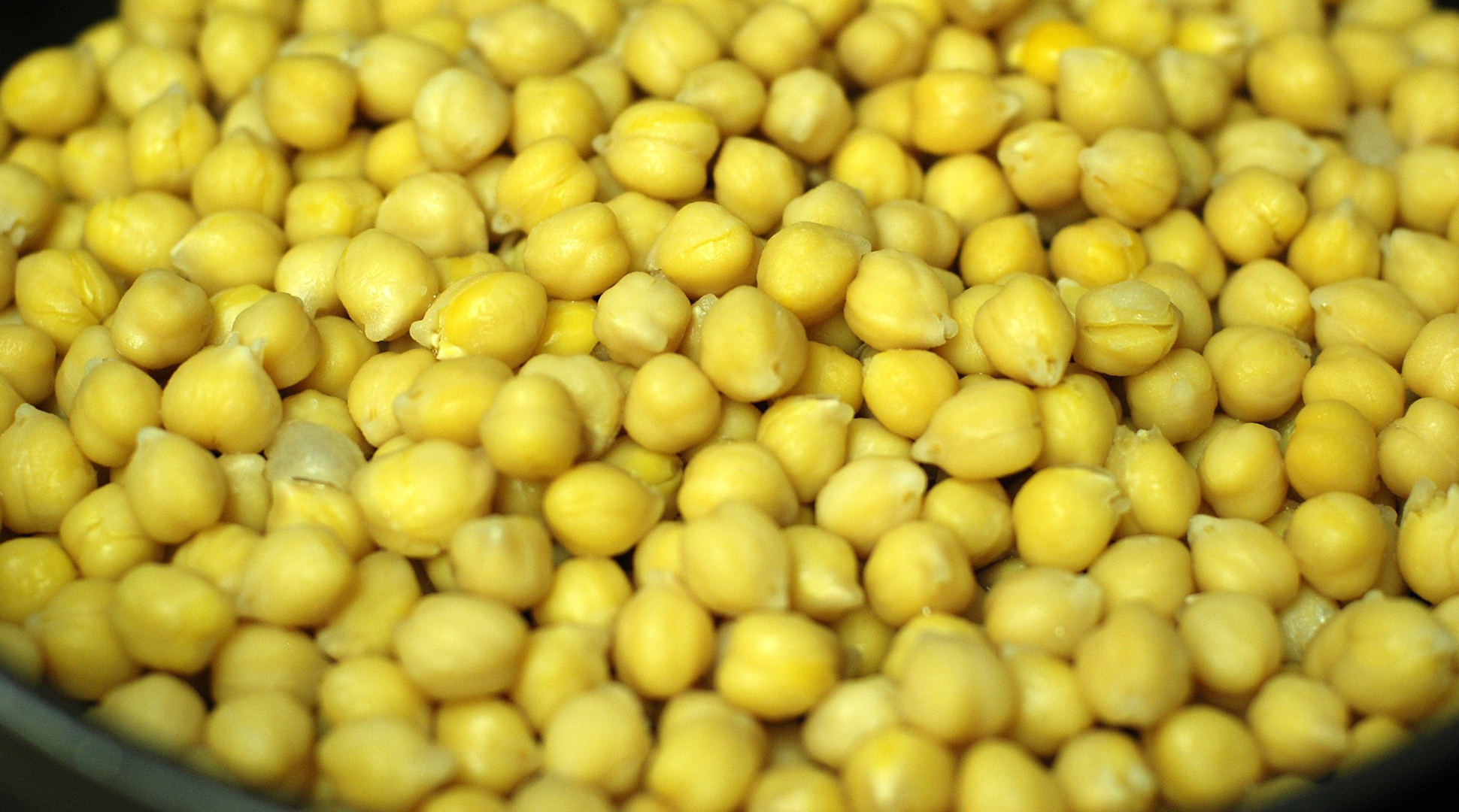
(header photo courtesy of Pixabay)
It’s National Chickpea Day. According to the National Agriculture Statistics Service, 2025 N.D. Annual Bulletin, North Dakota ranks fourth in chickpea production, behind only Montana, Washington, and Idaho.
While chickpeas aren’t as widely grown as dry edible beans and other legumes in North Dakota, they perform well in the state’s dry climate. They also play an important role on the farm, helping diversify crop rotations, improve soil health, fix nitrogen, and break damaging pest cycles.
Chickpeas benefit consumers just as much.
You may know them as garbanzo beans, a staple ingredient in Middle Eastern, Mediterranean, and Indian cuisine. They’re the base for foods like hummus and are commonly used in curries. Today, chickpeas are showing up in even more places, from roasted snacks to gluten-free flours that boost the nutritional value of everyday foods.
According to Harvard Health Publishing, one cup of cooked chickpeas contains about 14.5 grams of protein and 12.5 grams of dietary fiber. That fiber supports digestion, helps maintain a healthy gut, and keeps you feeling full longer. Chickpeas are also low on the glycemic index, meaning they won’t cause sharp spikes in blood sugar.
In many ways, chickpeas have quietly become a staple in modern diets. They’re in grocery carts more often than people may realize.
What often gets overlooked is where those foods begin. Behind every bag or can of chickpeas is a farmer making decisions about weather, markets, and sustainability. In states like North Dakota, those decisions shape not only individual operations but entire rural communities.
National Chickpea Day is a small reminder of a much bigger story. Every meal has a starting point, and more often than people think, it begins on a North Dakota farm or ranch. Farmers and ranchers continue to adapt and innovate to meet the growing demand for nutritious, responsibly produced foods.