How to ripen tomatoes QUICKLY
By Tom Kalb, Horticulturist, NDSU Extension
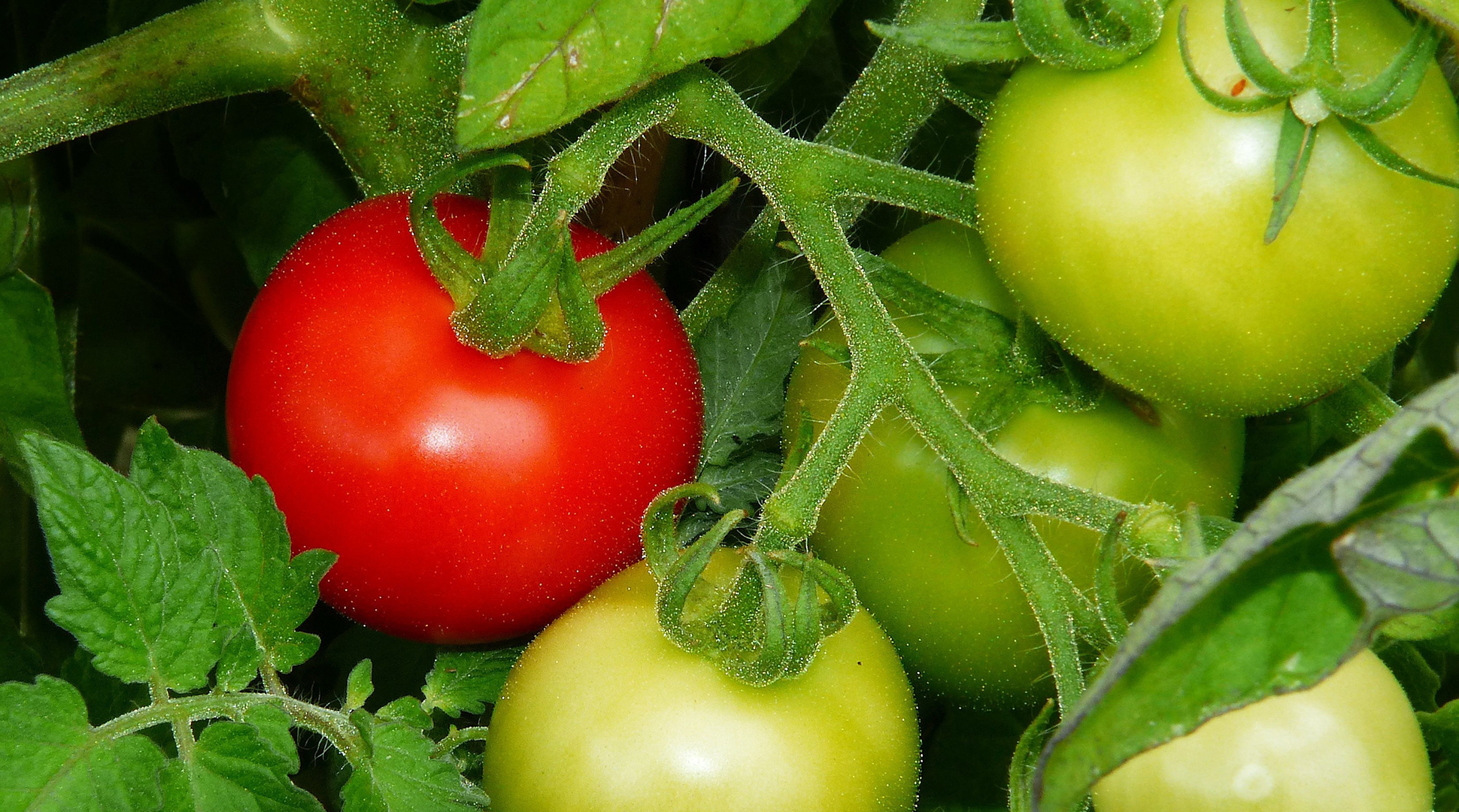
The clock is ticking! Will the green tomatoes in our gardens ripen before frost?
Some factors we cannot control — starting with the weather. The first killing frost can strike anytime from mid-September to mid-October. Let’s hope for a late frost.
Let’s focus on the factors we can control.
The most important thing we can do is provide warm, but not hot, temperatures for the vines. The ideal temperatures for ripening tomatoes range from 68 to 77 degrees Fahrenheit.
There will not be many more hot days this season, but there will be many chilly nights. If temperatures drop into the 50s at night, ripening slows significantly. Covering plants with blankets on these nights will lead to a larger crop of ripe tomatoes.
Additional factors can make a difference. You can clip off flower clusters today. It takes 50 or more days for a flower to become a red fruit. We probably don’t have 50 days of growing season left. Clip off the flowers and allow the vine to channel its energy to the ripening fruits.
Harvest regularly. Don’t allow any fruits to get overripe. Pick them regularly so the vine can spend its energy on the remaining fruits.
Stop fertilizing. More fertilizer does not hasten ripening. Nitrogen, in particular, will delay ripening and promote more leaf growth.
Thinning some foliage can help. Start by removing diseased leaves. Diseased leaves are often found on the lower branches.
Keep removing suckers to allow for more ventilation and sunlight within the vine. Suckers are the sprouts that emerge between the main vine and the leaf branches.
You may remove the tops from tall tomato vines at this time. This will redirect energy the vine spends on new shoots and flowers toward ripening the existing fruits. The effects of topping will be modest compared to maintaining warm temperatures. Topping short vines is not typically done.
Do not remove foliage near the fruits. The leaves just below and above a fruit send the most energy (and flavor) to the fruit.
Remove tiny fruits. Although this removal will not help the remaining fruits ripen faster, it will help them grow larger and have more flavor since the vine will have fewer fruits to feed.
Some gardeners torture tomato plants to “encourage” them to ripen their fruits. They gently twist the vine's roots or hit the plants with a broom. These stresses may cause the vine to produce more ripening gas (ethylene), but this is not needed and may be harmful to plants. The winds of the Dakotas do enough shaking of the vines for us.
Lastly, pay attention to the weather and be prepared for frosts. Tomato vines cannot tolerate any frost whatsoever. We can protect vines from light frosts (32 degrees Fahrenheit) by covering them with a blanket overnight. Cloth blankets or burlap provide more insulation than poly tarps or plastic sheets. Blankets or burlap can provide a few degrees of protection.
If a killing frost (28 degrees Fahrenheit) is expected, it’s time to rescue and harvest the crop before freezing. Nonblemished fruits that are showing at least a blush of color are most likely to ripen successfully indoors.
Place these fruits indoors in a single layer in an open, shallow cardboard box. Cover them with a sheet of paper to trap the ethylene that fruits emit as they ripen. Fruits ripen best at room temperatures in a well-ventilated area, away from direct sunlight.
Keep temperatures warm, clip off flowers, remove excess foliage and fruits, and keep your vines healthy. With a little luck (and a late frost), we can enjoy red, delicious tomatoes for as long as possible.
For more information about gardening, contact your local NDSU Extension agent.