Rancher lingo
by Kirsten Kukla
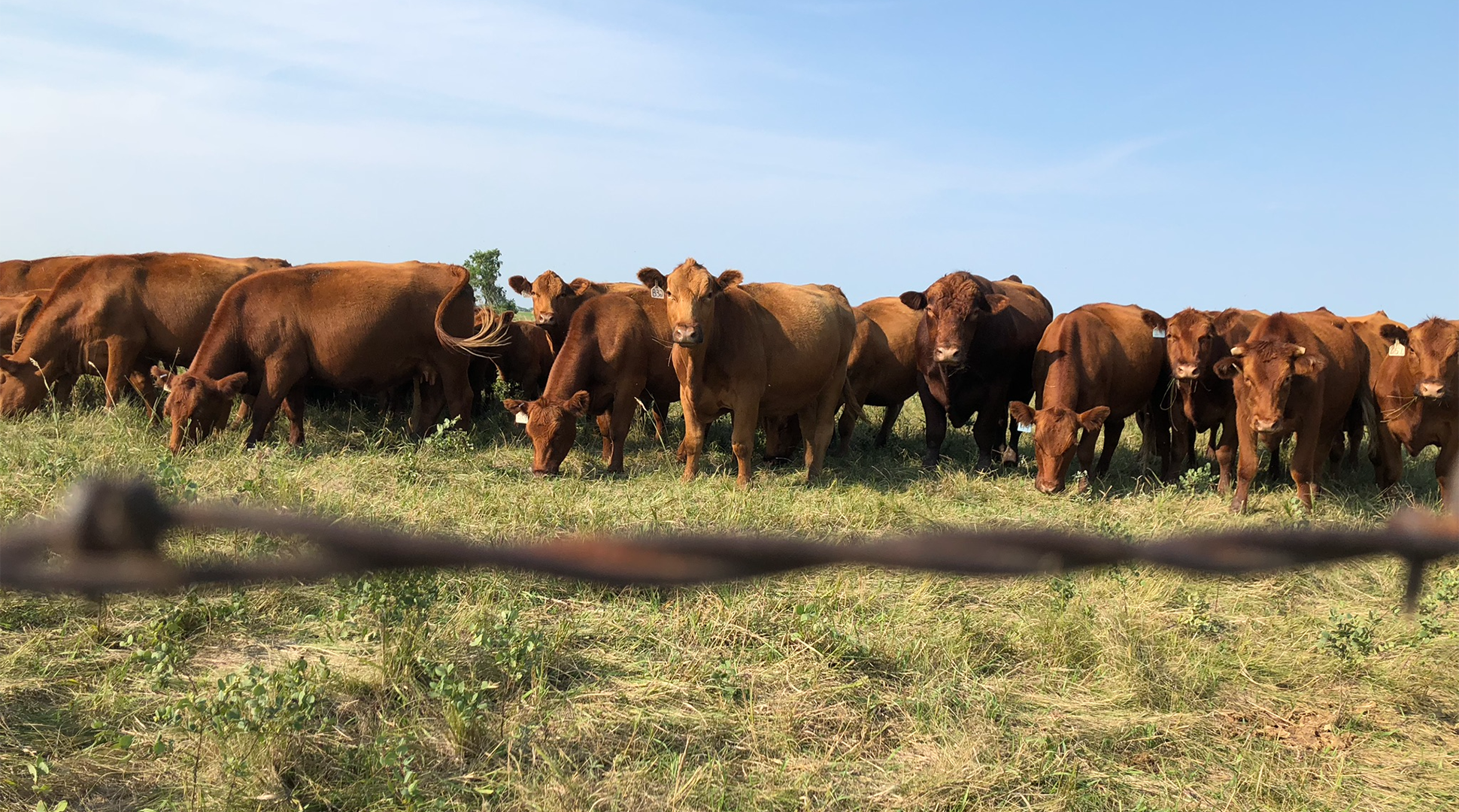
If you didn’t grow up around cattle, a conversation with a rancher can sometimes sound like a different language. Terms like weaning, backgrounding, finishing, and ruminant are everyday words in the cattle industry, but they may be unfamiliar to consumers. Understanding these terms can help connect the people who raise food to the people who buy it.
Weaning is the process of separating a calf from its mother. Calves spend the first several months of their lives nursing and learning to eat grass and other feeds. When they are weaned, they transition to eating entirely on their own. This is an important step in a calf’s development and allows both the cow and calf to focus on their next stage of growth. Mothers of teenagers heading off to college can probably relate!
After weaning, you may hear the term backgrounding. Backgrounding is a period when cattle continue to grow and develop before entering the finishing phase. Cattle may graze pasture, crop residue or be fed a mixed ration of feed. The goal is healthy, steady growth rather than rapidly putting on weight.
Finishing is the final stage before cattle go to harvest. During this phase, cattle are provided a carefully balanced, energy-rich diet designed to help them reach their desired market weight and develop the characteristics consumers expect in beef.
Another important term is ruminant. Cattle are ruminants, meaning they have a specialized digestive system that allows them to utilize fibrous feeds such as grass and hay that humans cannot digest. Their four-compartment stomach includes the rumen, where microbes help break down these feeds.
Finally, there is antibiotic use. Just like people, cattle can become sick and may need antibiotics to treat bacterial infections. Antibiotics are used under veterinary oversight and are not simply given to every animal. When an animal receives certain medications, a required withdrawal period ensures residues have left the animal’s system before it enters the food supply.
Ranching has its own vocabulary, but behind each term is a management decision focused on raising healthy animals and producing safe, nutritious food. Asking questions and learning what these words mean is one more way consumers can better understand where their food comes from.
 Kirsten is the District 9 representative on the NDFB Promotion and Education Committee. She and her husband, Matt, have a cow-calf operation and have one child. She is also an Extension Agent and is heavily involved in the Dunn County 4-H program.